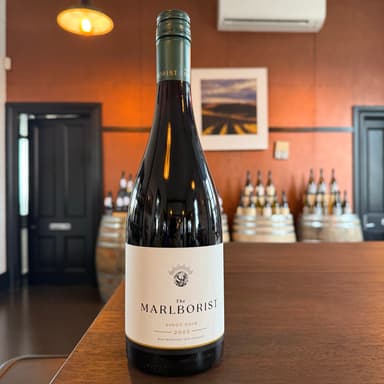
Blenheim, nestled in the heart of New”?Zealand’s Marlborough region, is renowned for its world-class vineyards and vibrant wine culture. Visitors seeking an authentic tasting experience can explore a variety of cellar doors, scenic vineyards, and expertly curated tours that showcase the region’s signature Sauvignon Blanc alongside other premium varieties. This guide outlines the essential elements of a memorable wine-tasting itinerary, offering practical advice on planning, tasting techniques, and complementary activities that enhance the overall experience.
Planning Your Wine-Tasting Journey
Choosing the Right Locations
While Blenheim hosts dozens of tasting venues, selecting a mix of well-established estates and boutique growers provides a balanced perspective on the region’s diversity. Consider the following criteria when mapping out your route:
- Proximity to major transport routes to minimize travel time between stops.
- Availability of guided tours that explain vineyard practices and winemaking processes.
- Opportunities for food pairings or on-site dining to complement the wines.
For additional planning tips, Read more about this topic.
Timing and Seasonality
The optimal visiting period runs from late spring to early autumn (October to April), when the vineyards are at their most picturesque and the weather is conducive to outdoor tastings. During harvest season (March-April), many estates offer special events that provide insight into the winemaking cycle.
- Spring: Fresh foliage and early-bloom aromas.
- Summer: Warm days perfect for outdoor picnics and cellar door visits.
- Autumn: Harvest activities and limited-edition releases.
To understand how seasonal changes affect tasting notes, Learn more in this detailed guide.
Essential Tasting Techniques
Preparing Your Palate
A successful tasting begins with a clean palate. Drink water, avoid strong flavors, and consider a light snack such as plain crackers before entering the cellar door.
Step-by-Step Tasting Process
- Visual Assessment: Observe color intensity and clarity; younger Sauvignon Blancs often display pale straw hues, while aged varieties may show deeper gold tones.
- Swirl and Smell: Swirl the glass to release aromatics, then inhale to detect primary fruit (citrus, tropical), secondary (herbaceous, floral), and tertiary notes (mineral, oak).
- Tasting: Take a small sip, let it coat the palate, and note acidity, body, and finish. Marlborough wines typically exhibit crisp acidity and vibrant fruit.
- Reflection: Record impressions in a tasting journal or digital app for future reference.
For a deeper dive into professional tasting methodology, Explore further insights here.
Enhancing the Experience
Food Pairings
Pairing wine with locally sourced cuisine amplifies flavors. Classic combinations include:
- Sauvignon Blanc with fresh oysters or citrus-marinated fish.
- Pinot Noir alongside roasted duck or mushroom dishes.
- Chardonnay matched with creamy cheeses or grilled chicken.
Many vineyards feature on-site restaurants or picnic areas where guests can enjoy these pairings. Detailed pairing suggestions are often available on the venue’s website; Find additional information here.
Non-Wine Activities
To round out a day in Blenheim, consider incorporating the following activities:
- Guided vineyard walks that highlight terroir and soil composition.
- Art installations or sculpture gardens commonly found on larger estates.
- Local market visits for fresh produce, artisanal breads, and cheese.
Practical Tips for a Smooth Visit
- Transportation: Designate a driver, use a local shuttle service, or join a guided tour to ensure safe travel.
- Reservations: Some cellar doors require advance booking, especially for group tastings or during peak season.
- Dress Code: Wear comfortable shoes and layered clothing; vineyard terrain can be uneven and weather unpredictable.
- Purchasing: Many estates offer exclusive bottlings available only on-site; inquire about shipping options if needed.
For a checklist of essential items to bring, Read more about this topic.
Conclusion
Discovering the best Blenheim wine tasting experience involves thoughtful planning, an appreciation for the region’s unique viticultural heritage, and a willingness to engage with both the sensory and cultural aspects of winemaking. By selecting diverse tasting venues, employing structured tasting techniques, and pairing wines with complementary foods and activities, visitors can gain a comprehensive understanding of why Marlborough remains a benchmark for quality wine production. Whether a seasoned connoisseur or a curious newcomer, the journey through Blenheim’s vineyards promises memorable flavors, stunning landscapes, and insights that linger long after the final glass is emptied.